




Popular Searches
The Digital Backbone of Military Quality of Life
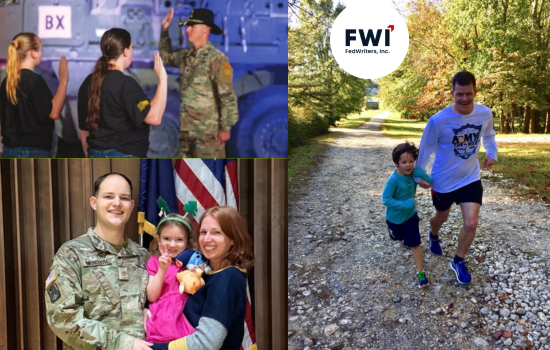
When military personnel deploy overseas, the mission is front of mind, but family may be close behind. The Clearinghouse for Family Military Readiness finds having a stable family dynamic at home directly effects a soldier’s military readiness, warfighter capabilities, and overall lethality overseas.
Knowing loved ones are safely housed, financially secure, and in good physical and mental health enables service members to focus on the mission at hand. Conversely, marital problems or community breakdown at home is strongly correlated with decreased effectiveness, early retirement, emotional disorders, and, in some cases, suicide.
How does the Department of War support family readiness? The answer is a robust digital infrastructure, which enables the military community to access resources that support well-being, such as free counseling and recreational services. Just as important, it also enables deployed personnel to feel confident their loved ones are well-cared for at home.
Military OneSource: Supporting Readiness, One Soldier at a Time
Military OneSource, the Department of Defense’s flagship digital platform, exemplifies this strategic approach to family support infrastructure. The platform and its mobile application provide 24/7 access to non-medical counseling, permanent change of station assistance, deployment guidance, and comprehensive family readiness resources. With more than 48 million page views annually, each use represents a military family member seeking information that influences their readiness, resilience, and satisfaction with military life.
When a Marine deployed to Okinawa learns her spouse has secured reliable childcare through a mobile app, or an Army sergeant preparing for deployment accesses mental health resources at 2 a.m. through his smartphone, they are experiencing more than convenient technology. They are benefiting from strategic defense infrastructure as critical to operational readiness as logistics networks or communications systems. The digital platforms connecting military families to support services represent a vital component of national security, one that influences warfighter focus, unit readiness, and force retention. These resources directly impact unit performance and ultimately the U.S. armed forces’ ability to fight and win.
The My Military OneSource mobile app delivers personalized content based on user profiles—whether servicemember, spouse, family member, or survivor—and installation location, ensuring families receive relevant, actionable information rather than generic resources. Digital platforms that recognize these differences deliver information value that translates to family confidence.
Better Digital Infrastructure for Stronger Military Families
Another important aspect of readiness involves recruitment and retention. As modern combat becomes faster and more technologically sophisticated, the need for highly trained operators with sophisticated expertise exponentially grows. But training and equipping the most lethal military in history requires large investments of time and resources, making retention a critical enabler. Similarly, the military must compete with lucrative private sector employers to attract the best technical talent, requiring significant investments in quality of life and supportive services that help sustain mission focus.
Family cohesion is another essential piece of the readiness equation. Marital or community problems are major stressors for any family, and uniformed personnel are no different; divorce or community breakdown are leading contributors to depression and other psychological issues that may disqualify a soldier from active duty. A soldier whose spouse supports reenlistment is about twice as likely to choose continued military service, compared with a soldier whose spouse wants them to separate from the military.
Lessons learned in recent conflicts show how digital infrastructure can help keep military families healthy, connected, and strong. Pilot projects providing high-speed wireless internet access at no cost to troops living in barracks recognize information access enables families to communicate across distances and time zones. When a soldier can video call home during limited free time without worrying about bandwidth limitations, family cohesion strengthens, and with it, the soldier’s mental readiness for duty.
User Experience: Where Design Meets Readiness
When a civilian application fails to deliver as promised, businesses lose customers and credibility; however, when military applications fail to perform as expected, readiness gaps can put national security at risk. Information must be transparent, timely, and accurate to maintain credibility and trust. Effective digital infrastructure must combine human-centered design with rigorous adherence to federal standards for usability, accessibility, and service availability.
For example, FedWriters, Inc. routinely uses surveys, focus groups, feedback mechanisms, and key performance indicators to measure how well a system is serving its intended function. We also implement federal accessibility frameworks such as the Revised standards for Section 508 of the Rehabilitation Act, which ensure public materials are fully accessible to individuals with a disability. For websites and applications, we also ensure compliance with the Web Content Accessibility Guidelines (WCAG 2.0 AA), which align digital content to be easy to navigate and display on a wide variety of devices.
Readiness Infrastructure for National Resilience
Digital communication technology is more than a policy choice. It is a vital link in the chain of national resilience that connects individual family well-being to collective defense. Strategic competition demands peak readiness, so the information architecture sustaining military family confidence represents a critical component of national security.